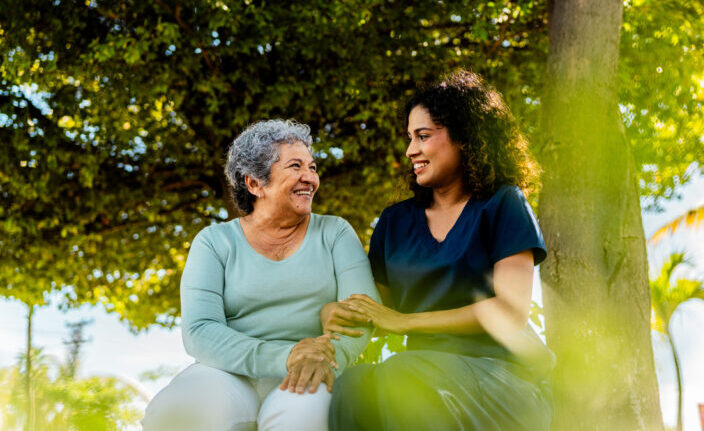
The need to be careful in the sun increases with age. While spending time outdoors offers many benefits—from fresh air to physical activity—aging brings biological and lifestyle changes that make sun and heat exposure riskier than it was in our younger years.
Skin Changes Increase Sun Sensitivity
As we age, our skin naturally becomes thinner, causing it to burn more quickly and heal more slowly. The cells that produce melanin—the pigment that helps protect skin from ultraviolet (UV) rays—also become fewer and less effective, reducing the skin’s natural defense against sun damage.
After decades of sun exposure, accumulated DNA damage increases the likelihood that additional UV exposure can trigger skin cancer. In fact, skin cancer rates rise significantly with age because the immune system becomes less efficient at detecting and destroying abnormal cells before they develop into cancer.
To protect your skin:
- Apply a broad-spectrum sunscreen with SPF 30 or higher (SPF 50 is even better) whenever you go outdoors.
- Wear lightweight long sleeves, a wide-brimmed hat, and UV-blocking sunglasses.
- At the beginning of each season, check the expiration dates on sunscreen and replace any expired products.
The Body Doesn’t Cool Itself as Well
As we get older, our bodies become less efficient at detecting rising temperatures and producing sweat to cool down. Older adults can overheat more quickly—and may not even realize it—which increases the risk of heat exhaustion and heat stroke. Reduced circulation to the skin also makes it harder for the body to release excess heat.
During periods of extreme heat or high humidity:
- Limit outdoor activities, especially during the hottest hours of the day.
- Stay in air-conditioned environments whenever possible.
- If home temperatures become unsafe, consider spending the day at an adult day program or another cool public location.
Dehydration Happens More Easily
The aging process also affects hydration. The kidneys become less efficient at conserving water, and the sensation of thirst naturally decreases. As a result, older adults can become dehydrated without ever feeling thirsty.
Encourage your loved one to drink water regularly throughout the day, even if they don’t feel thirsty. If plain water isn’t appealing, try offering foods with high water content, such as:
- Watermelon
- Soup
- Gelatin or Jell-O
- Cottage cheese
- Yogurt
- Pudding
- Ice cream
Many fruits and vegetables also provide excellent hydration, including leafy greens, carrots, apples, oranges, grapes, and berries.
Alternating water with electrolyte-replacement beverages, such as Gatorade, can also help replenish fluids and important minerals lost through sweating.
Medications Can Increase Risk
Many older adults take medications that increase sensitivity to sunlight or reduce the body’s ability to regulate temperature. Common examples include:
- Diuretics
- Certain blood pressure medications
- Some antibiotics, including doxycycline
- Statins
- Some diabetes medications
Talk with your pharmacist or healthcare provider about whether any medications may increase the risk of sun sensitivity, dehydration, or heat-related illness.
A Lifetime of Sun Exposure Adds Up
The increased risks associated with sun exposure aren’t caused by a single hot day. Rather, they reflect a lifetime of accumulated UV exposure and the body’s reduced ability to repair damage and regulate temperature as we age.
For family caregivers, checking in on an older loved one during periods of extreme heat can provide valuable peace of mind. A Springpoint at Home Aging Life Care Manager can visit to assess your loved one’s well-being, while a Certified Home Health Aide can monitor for warning signs of heat-related illness, including:
- Heat cramps
- Heavy sweating
- Weakness or dizziness
- Confusion
- Hot, dry skin
Early recognition of these symptoms can prevent a medical emergency.
If you’d like additional support keeping your loved one safe during the summer months, Springpoint at Home is here to help.
To learn more about our Aging Life Care Management and home care services, call Springpoint at Home at 609-366-1900.